
L-Bracket Guide
L-Brackets & Base Plates, explained.
Precision camera support for faster, more stable tripod workflows. This guide explains what L-Brackets and base plates do, how they improve your tripod workflow, and how to choose the right option for your shooting style.
Why You Should Use an L-Bracket for Your Camera
Why Camera Mounting Matters
Stability is the foundation of every great image.
Every tripod system is only as effective as the connection between the camera and the support beneath it. Poor mounting introduces imbalance, vibration, and framing shifts—problems that compound when using longer lenses, heavier bodies, or precision compositions. Really Right Stuff camera plates and L-Brackets are engineered to solve these issues by keeping your camera aligned, balanced, and repeatable—so your support system works as intended.
What Is an L-Bracket?
One plate. Two orientations. Zero compromise.
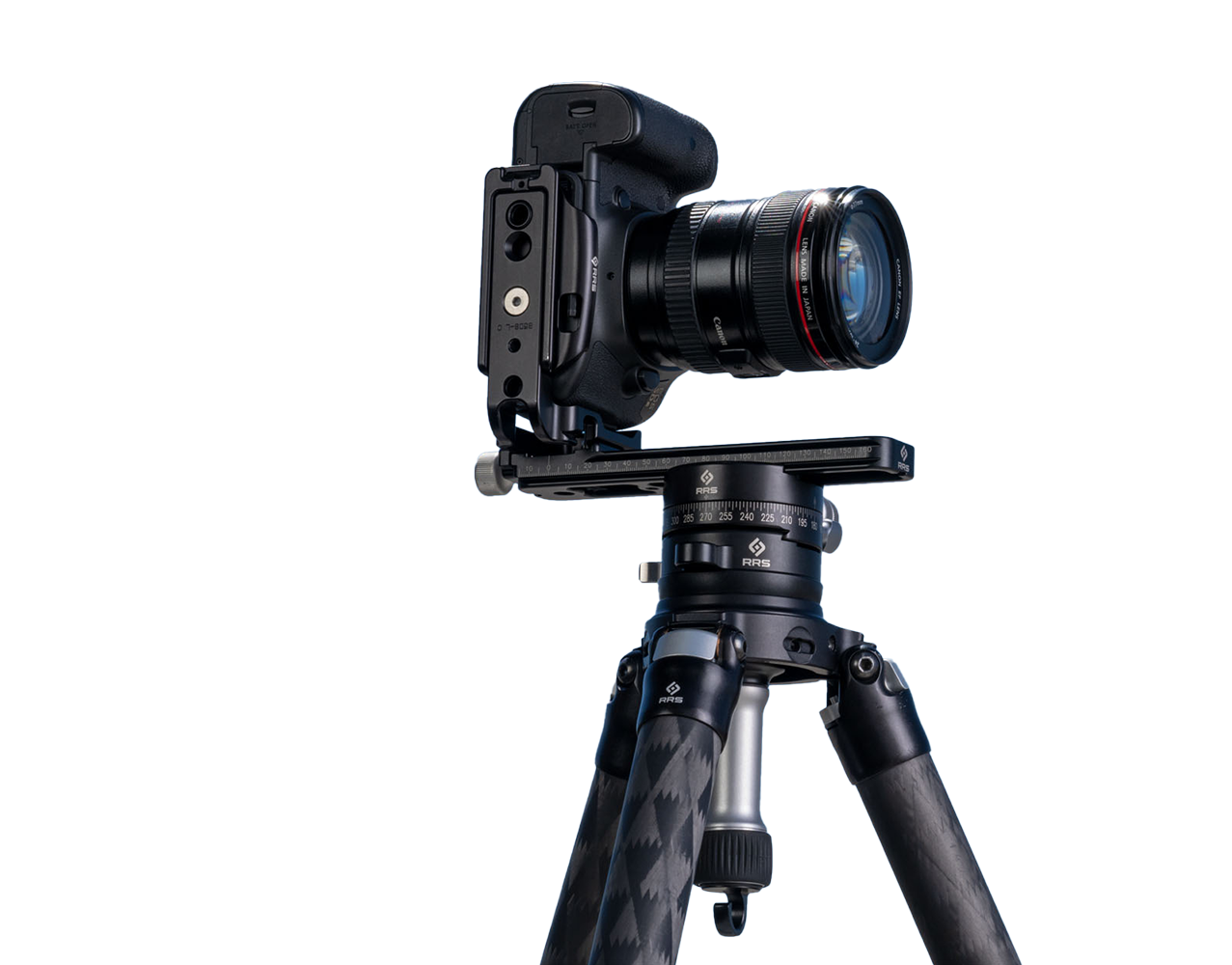
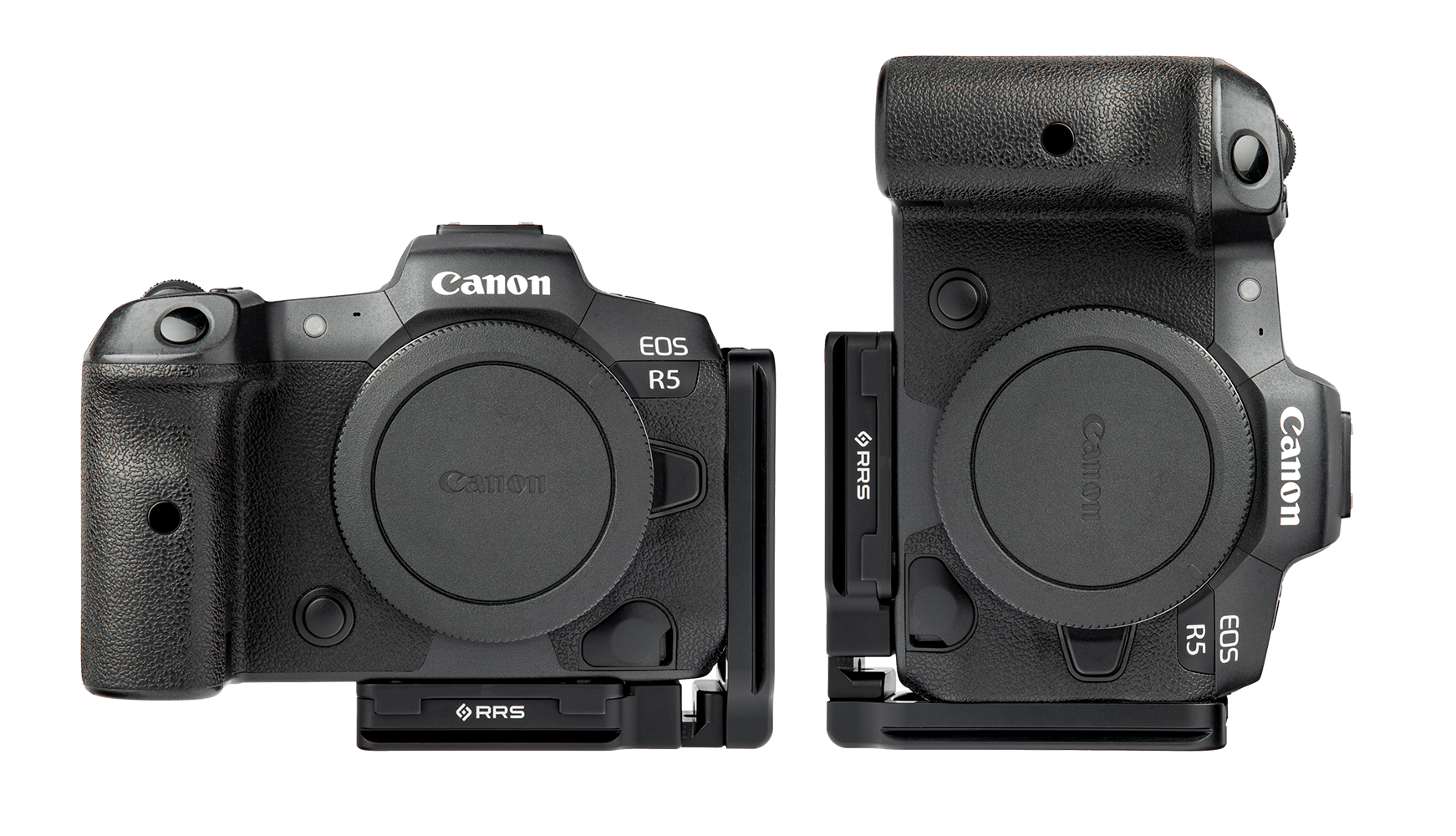
An L-Bracket is a camera-specific mounting plate that attaches to the base of a camera and extends up one side, forming an “L” shape. This design allows the camera to be mounted to a tripod in both horizontal and vertical orientations using the same quick-release clamp. Unlike rotating a ball head sideways, an L-Bracket keeps the camera centered directly over the tripod, maintaining balance and stability in both orientations.
How L-Brackets Improve Tripod Workflow
Faster orientation changes, better balance, consistent framing.
- Keeps the camera's center of gravity directly over the tripod
- Reduces stress on the tripod head and locking mechanisms
- Preserves composition when switching between landscape and portrait
- Minimizes vibration during long exposures
- Improves stability with heavier lenses or stacked accessories
For photographers who frequently switch orientation—landscape, architecture, wildlife, studio, or panoramic work—an L-Bracket is one of the most effective workflow upgrades available.
Why Centered Mounting Matters
Balance equals control.
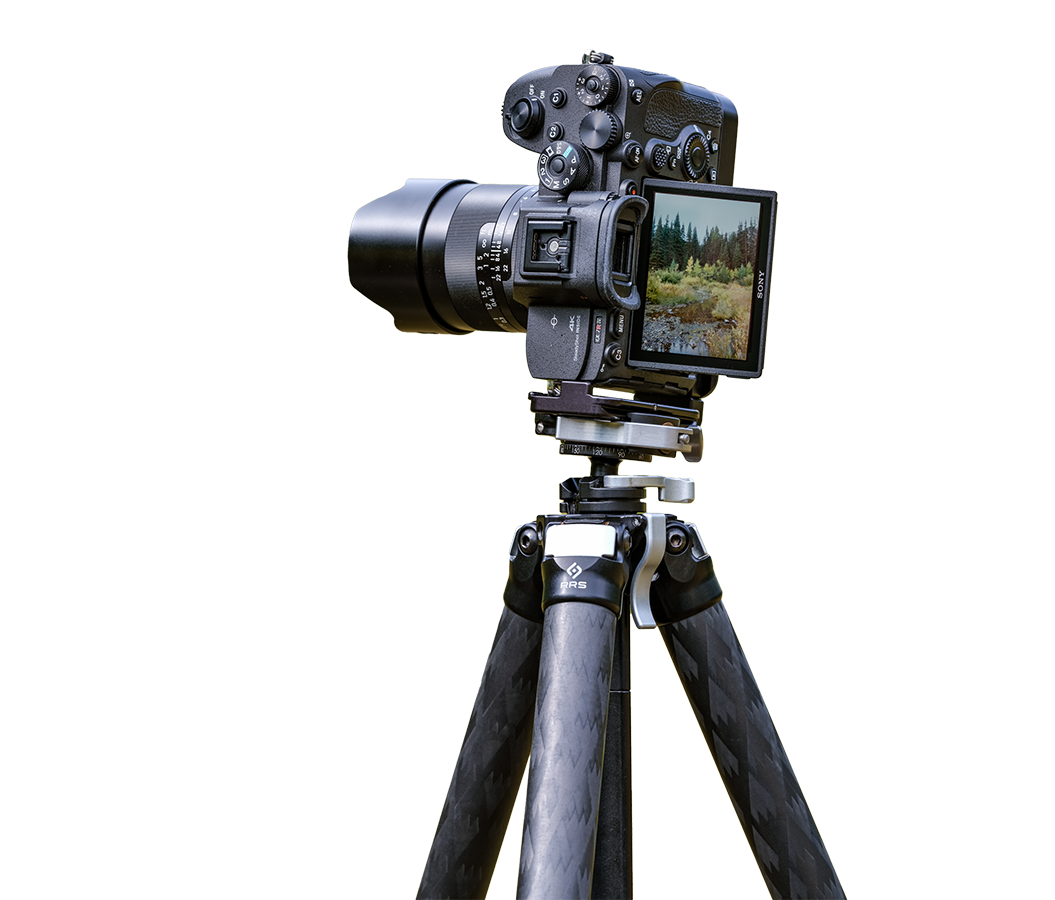
When a camera is mounted off-axis (such as using a ball head's drop notch), the weight shifts away from the tripod's center. This can reduce stability, increase vibration, and lead to framing drift. An L-Bracket eliminates these issues by keeping the camera directly above the tripod apex, regardless of orientation.
Camera-Specific vs Universal L-Brackets
Precision fit beats one-size-fits-all.
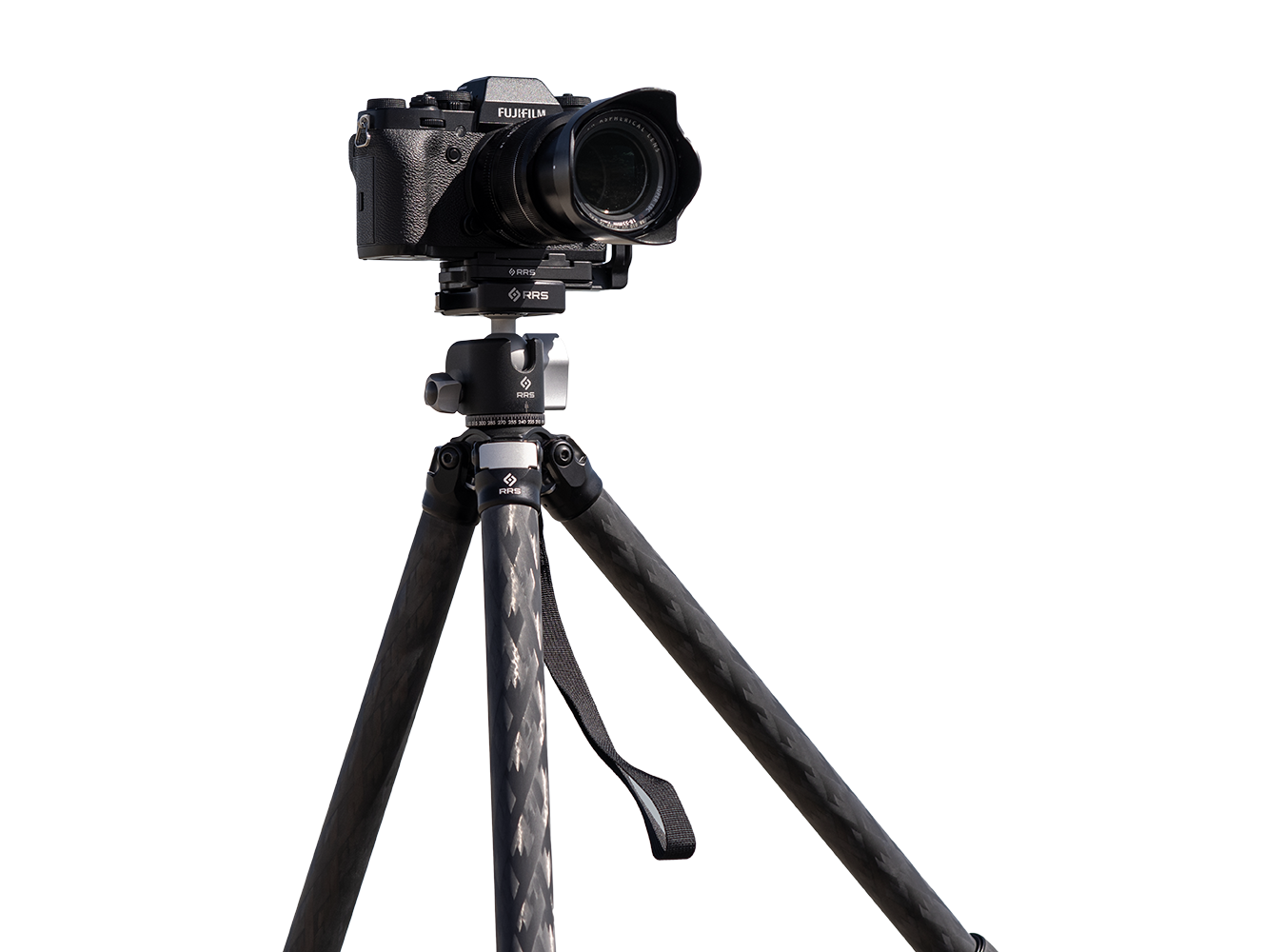
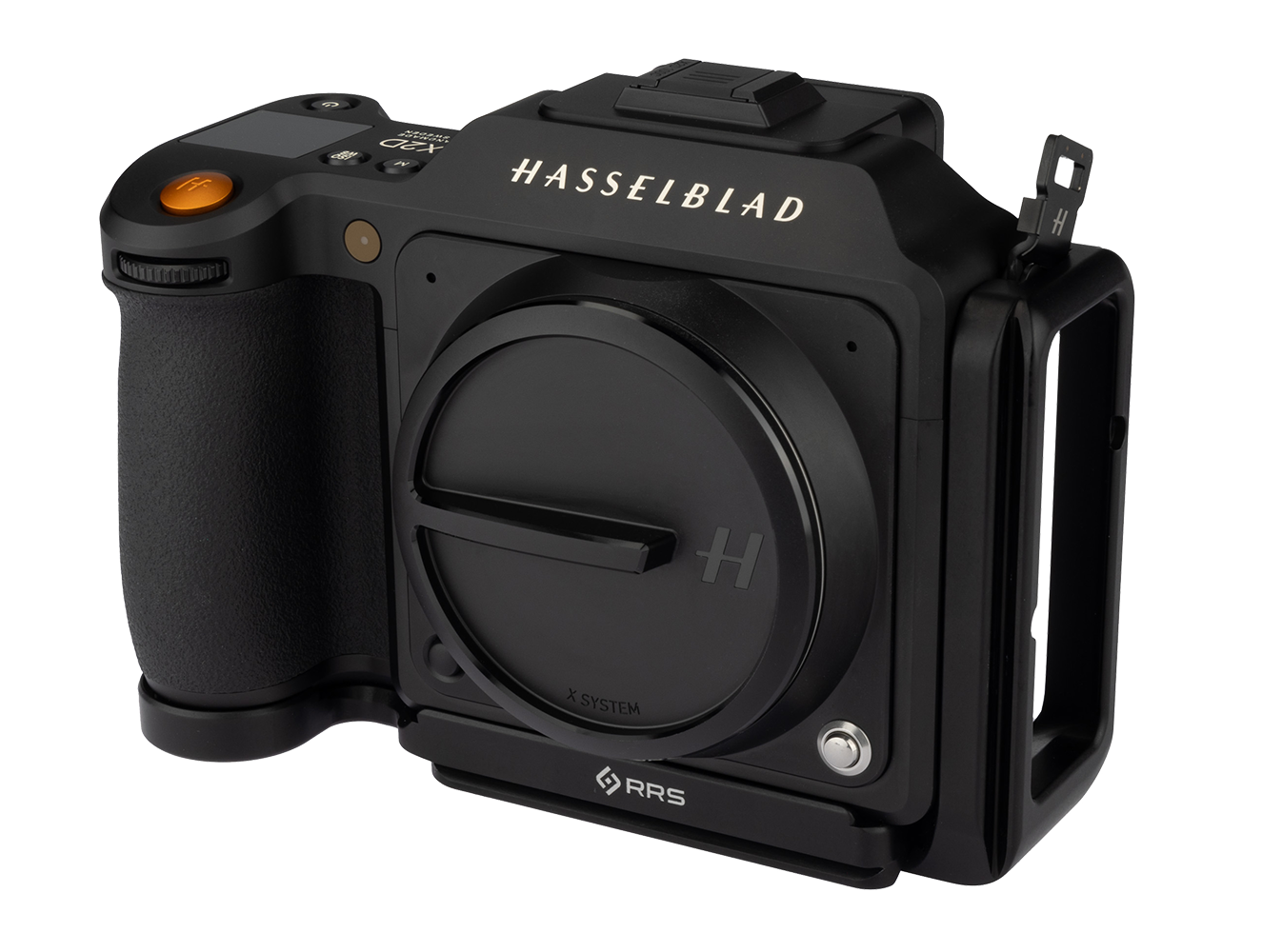
Camera-specific L-Brackets are machined to match the contours of a specific camera body, creating a rigid, anti-twist fit with unobstructed access. Universal or adjustable L-Brackets often rely on sliding rails and clamps, which can introduce flex, misalignment, and clearance issues. RRS L-Brackets are designed as purpose-built tools, not compromises.
What About Base Plates?
Simplicity, strength, and low-profile mounting.
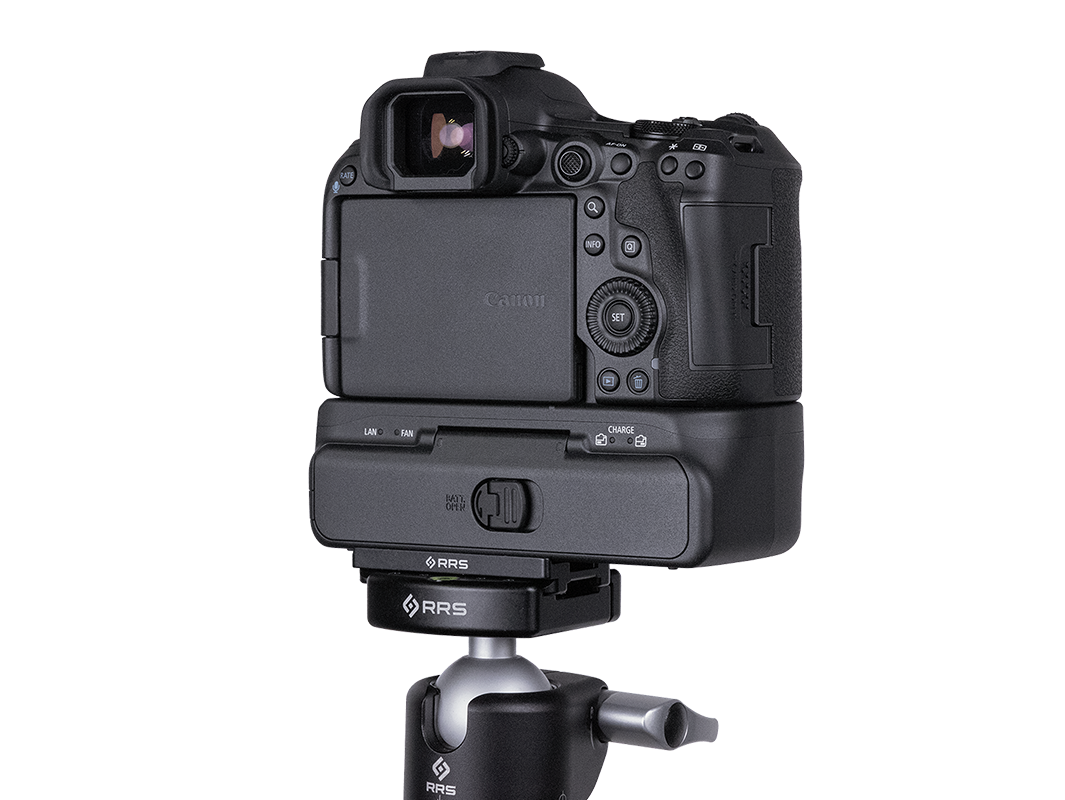
A base plate is a low-profile mounting solution that attaches to the bottom of the camera and provides a secure dovetail interface for tripod heads and clamps. Base plates are ideal for photographers who primarily shoot horizontal compositions, lightweight travel setups, gimbal or monopod use, or anyone who wants streamlined mounting without frequent vertical orientation changes. Like L-Brackets, RRS base plates are camera-specific and engineered to prevent twisting while maintaining access to camera features.
L-Bracket or Base Plate: Which Should You Choose?
Choose the tool that matches how you shoot.
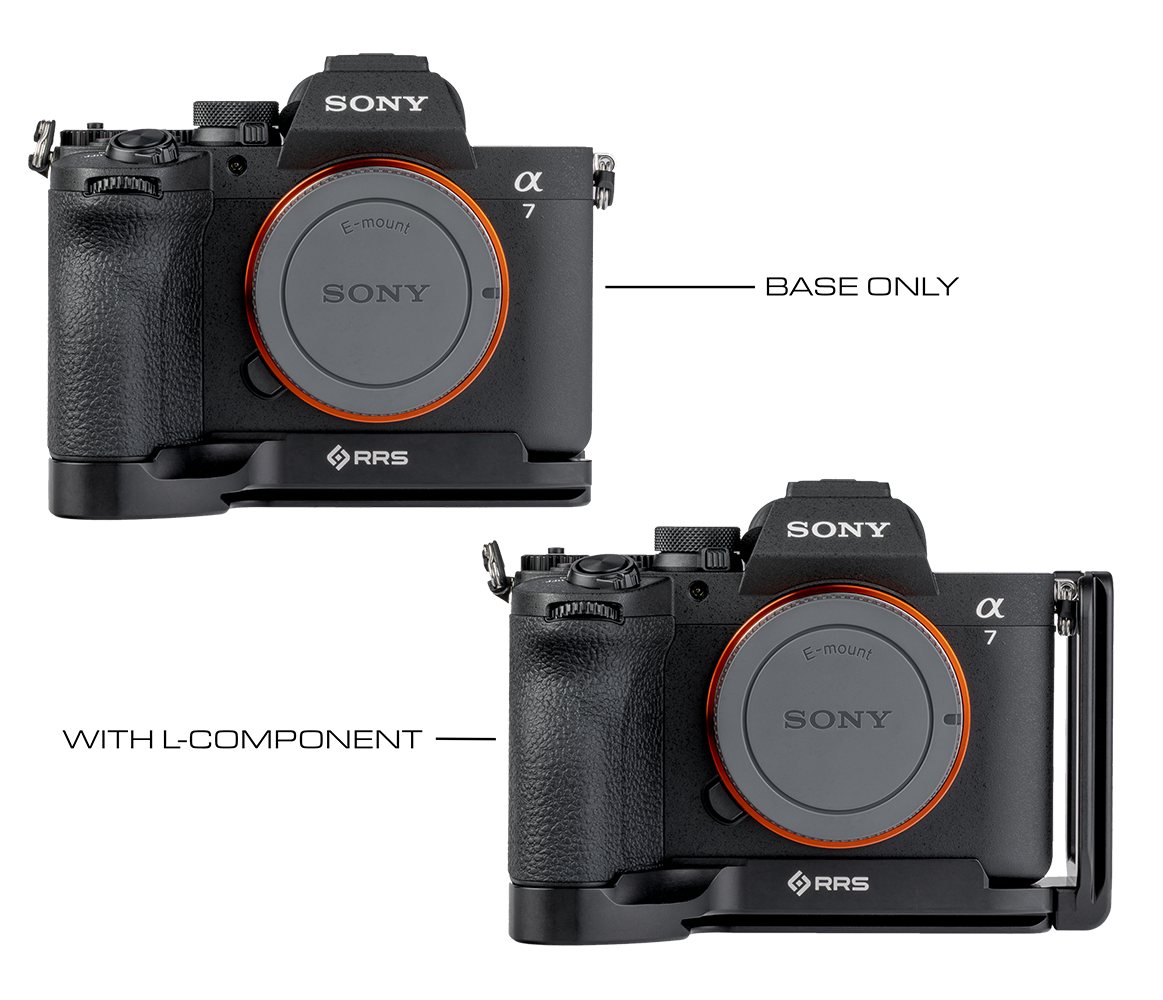
Choose an L-Bracket if you frequently switch between horizontal and vertical shooting, want maximum balance, and need consistent framing on a tripod. Choose a Base Plate if you rarely shoot vertical on a tripod, prioritize minimal size and weight, or prefer a streamlined mounting solution. Both options deliver precision and stability—the difference lies in orientation flexibility.
- L-Bracket: frequent portrait/landscape changes, tripod-centric workflow, panoramic work
- Base Plate: mostly landscape, travel/compact setups, gimbal/monopod use
Arca-Style Compatibility Explained
One standard. Endless support options.
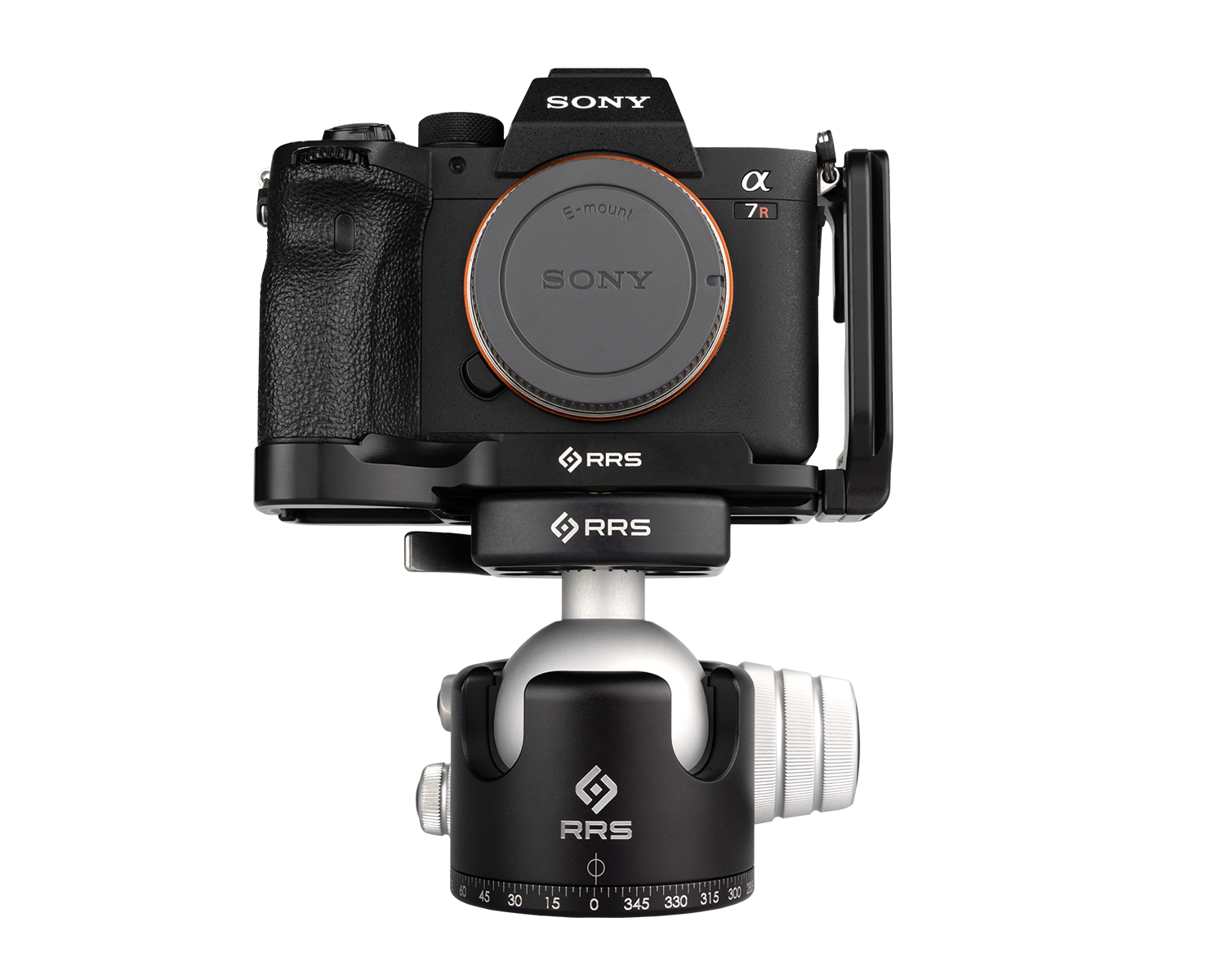
RRS camera plates and L-Brackets are machined to the 1.5" RRS dovetail standard, commonly referred to as Arca-style. This allows compatibility with RRS clamps and most industry-standard Arca-type quick-release systems, enabling seamless integration across tripods, ball heads, gimbals, and support platforms without proprietary lock-in.
Built for Real-World Use
Engineered to be trusted, not replaced.
- CNC machined from solid 6061-T6 aluminum
- Hard-anodized for durability and corrosion resistance
- Manufactured in the USA
- Designed to withstand professional field use
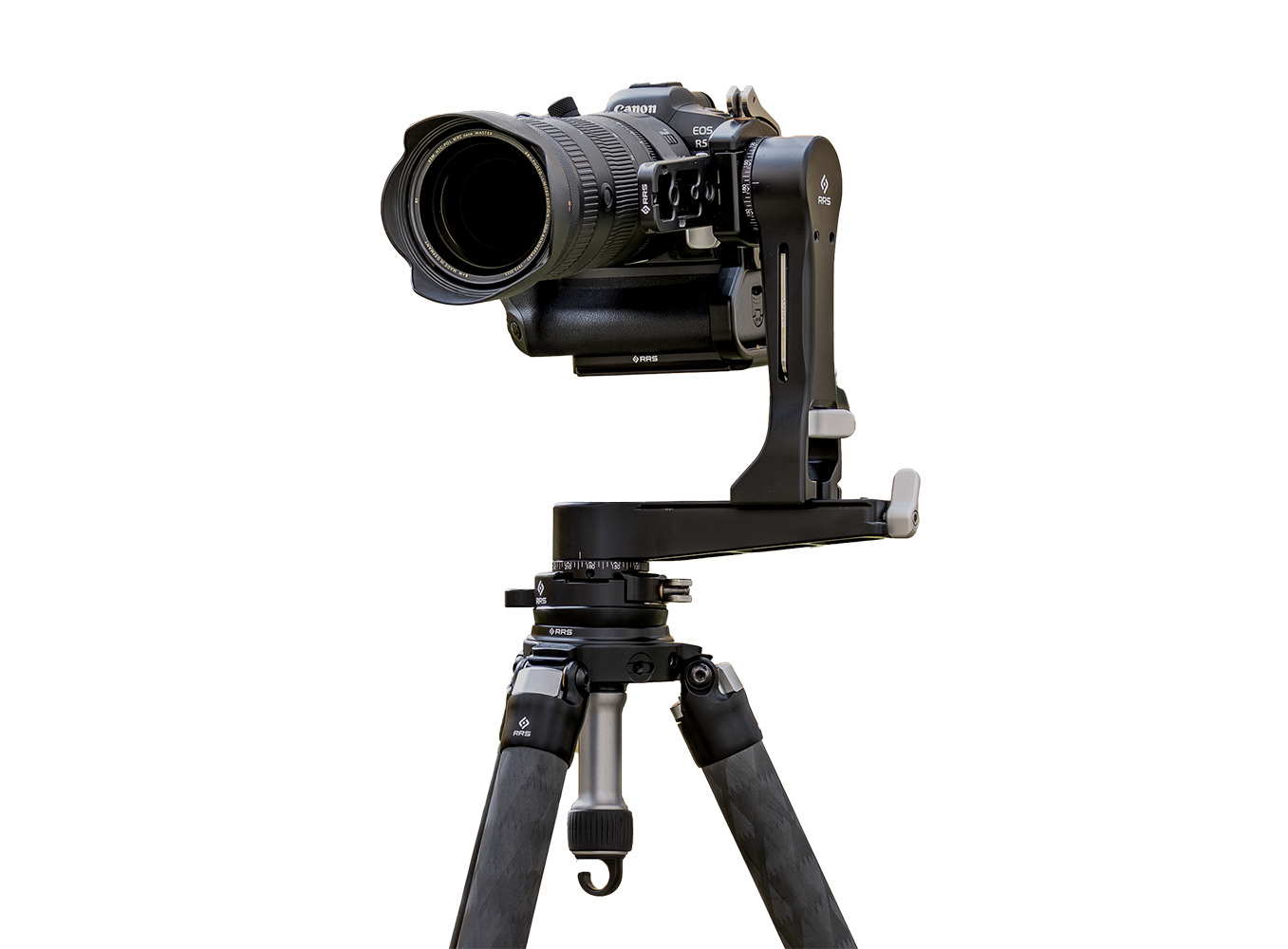
Who Benefits Most from L-Brackets and Base Plates?
If stability matters, this matters.
- Landscape and architectural photographers
- Wildlife and sports shooters
- Studio professionals
- Hybrid photo/video creators
- Anyone who demands repeatable, stable tripod performance
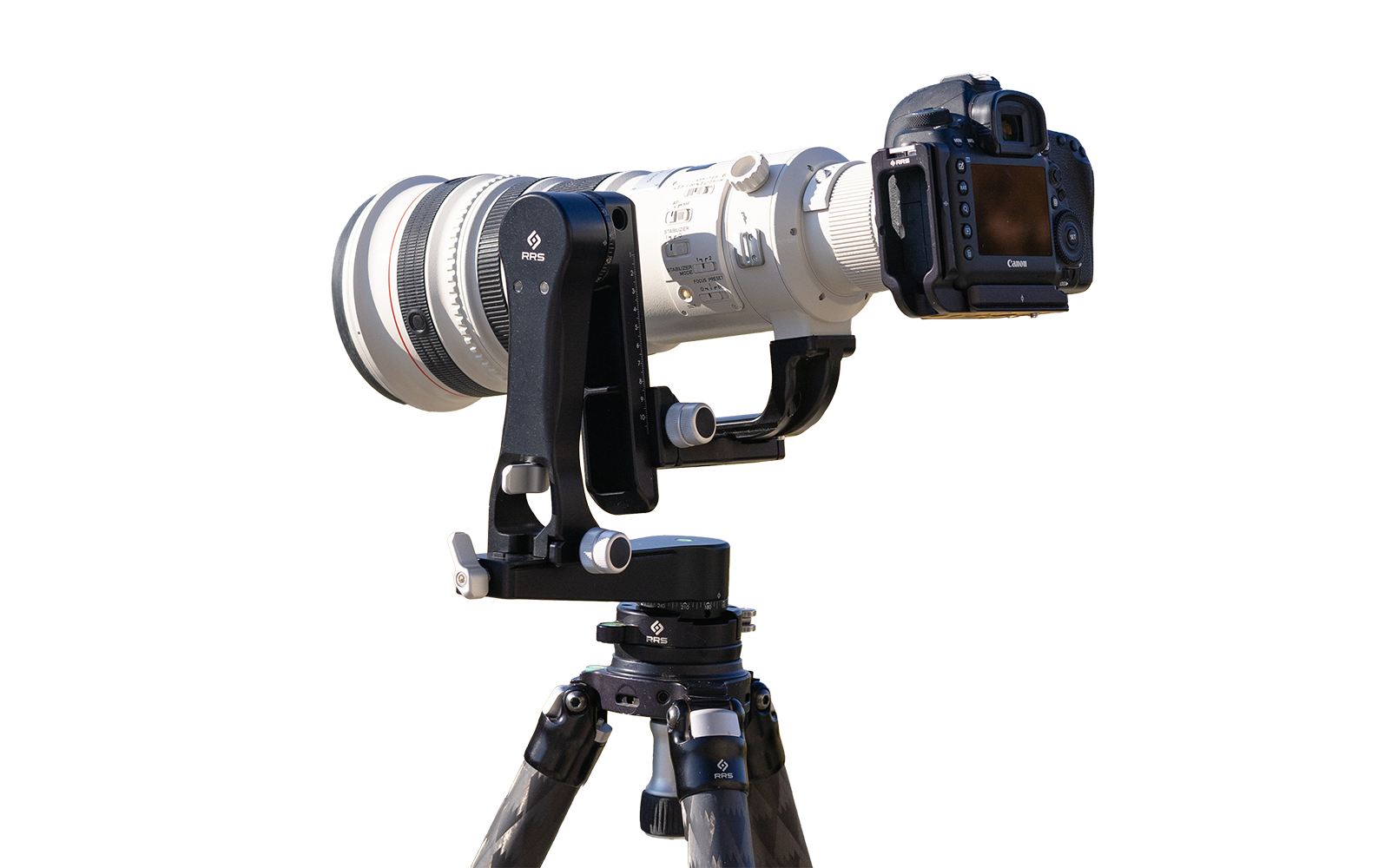
The RRS Approach
Precision without compromise.
Really Right Stuff® designs gear support equipment as an integrated system—plates, rails, gimbals, clamps, heads, and tripods engineered to work together seamlessly. As with all RRS® products, each plate is engineered to solve a real workflow problem, not just add another accessory. The result is a fully integrated support system where every component works together to keep your gear stable and your workflow efficient.
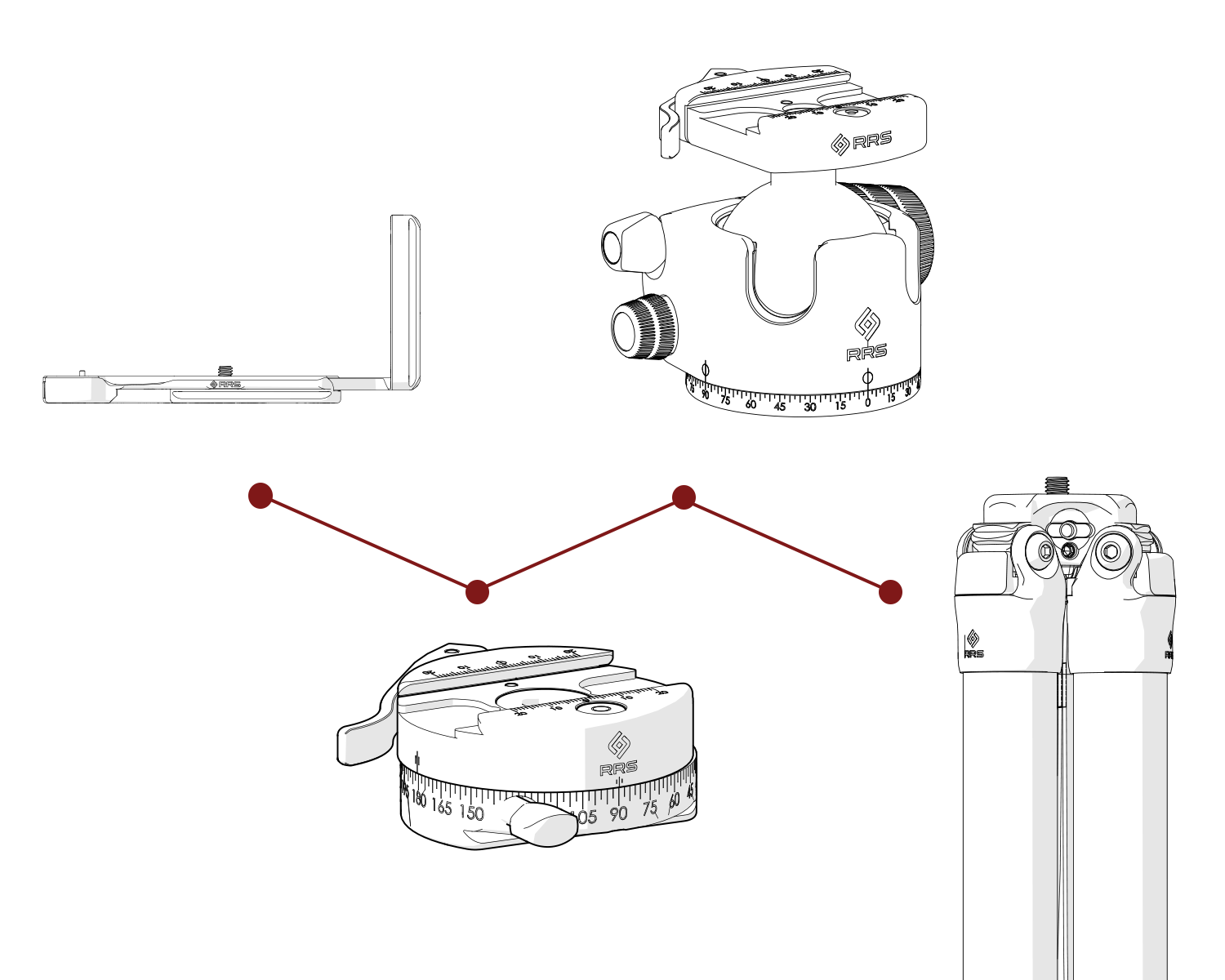
Final Takeaway
Build a complete, confidence-inspiring support system.
Whether you choose an L-Bracket or a base plate, upgrading the way your camera mounts to a tripod improves stability, efficiency, and confidence in every shot. With RRS, that connection is engineered to be exact, durable, and dependable—so you can focus on the image, not the gear.